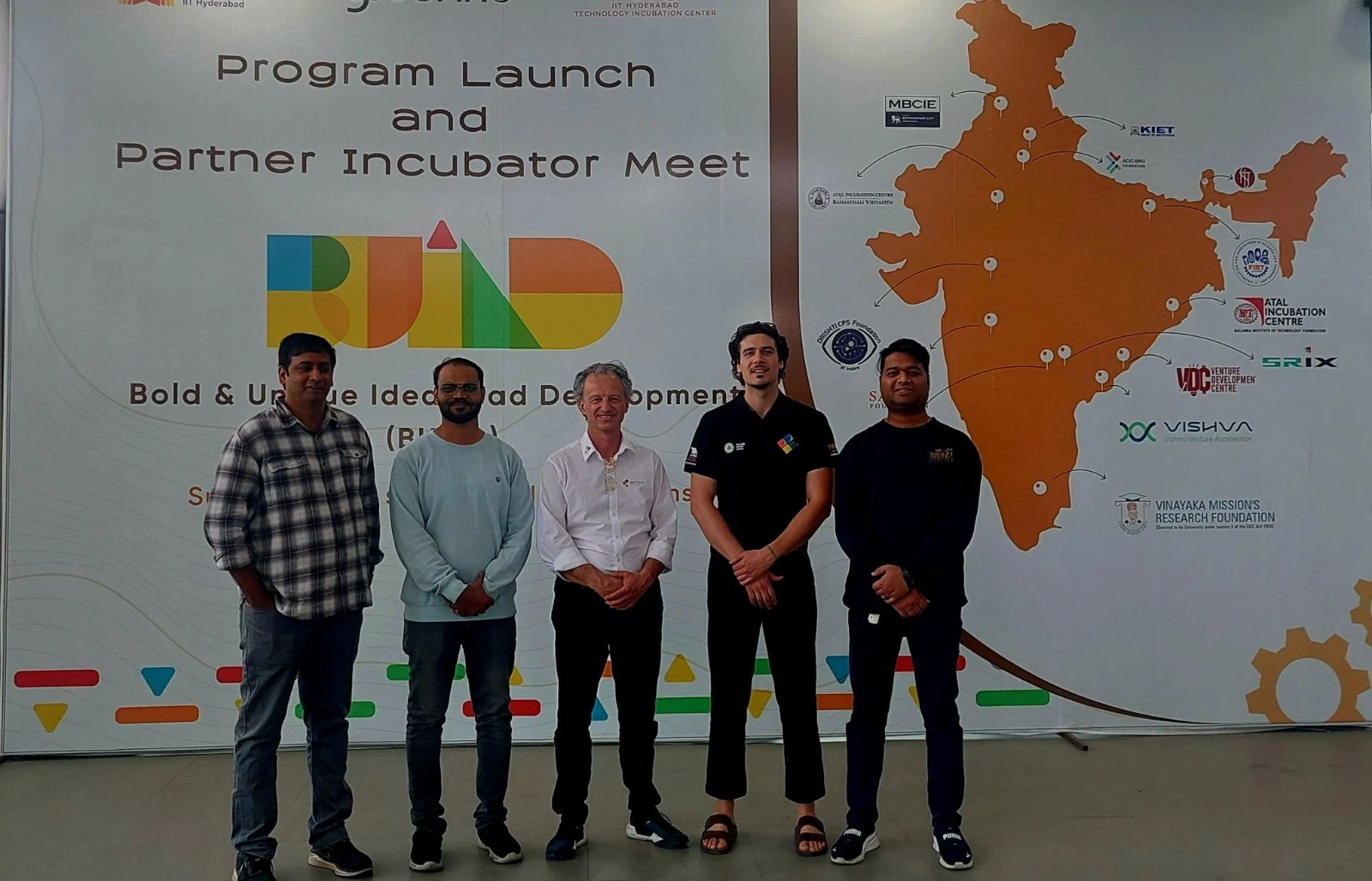
A Franco-Indian partnership to support the growth of electric scooters in India.
Be Energy is reaching a new milestone in its international development with the official launch of the FASEP Regen India program in Hyderabad, in partnership with the Indian Institute of Technology (IIT). This collaboration marks the beginning of an ambitious project dedicated to the reconditioning and maintenance of lithium-ion batteries used in electric scooters.
The first concrete actions are now being deployed on the ground, in a country where the transition to electric mobility is experiencing major acceleration.
Hyderabad: A Strategic Hub for Electric Mobility
Located in the state of Telangana in southern India, Hyderabad is a metropolis of over 12 million inhabitants, undergoing rapid technological and industrial growth. The fast development of electric vehicles is creating new needs around battery management, maintenance, and life extension.
In this context, Be Energy aims to bring its expertise in lithium-ion battery reconditioning in order to help structure this emerging sector.
India is now one of the most dynamic markets in the world for electric mobility, particularly in the electric two-wheeler segment. In 2025, more than 1.28 million electric scooters and two-wheelers were sold in the country, representing more than 56% of total electric vehicle sales in India.
The electric scooter market is also experiencing continuous growth, with an annual growth rate above 11% and a market share now exceeding 6% of total two-wheeler sales. This acceleration is creating major needs around battery safety, maintenance, and reconditioning, paving the way for new professions and specialized infrastructure.

In Hyderabad, training for careers in battery reconditioning is becoming a reality.
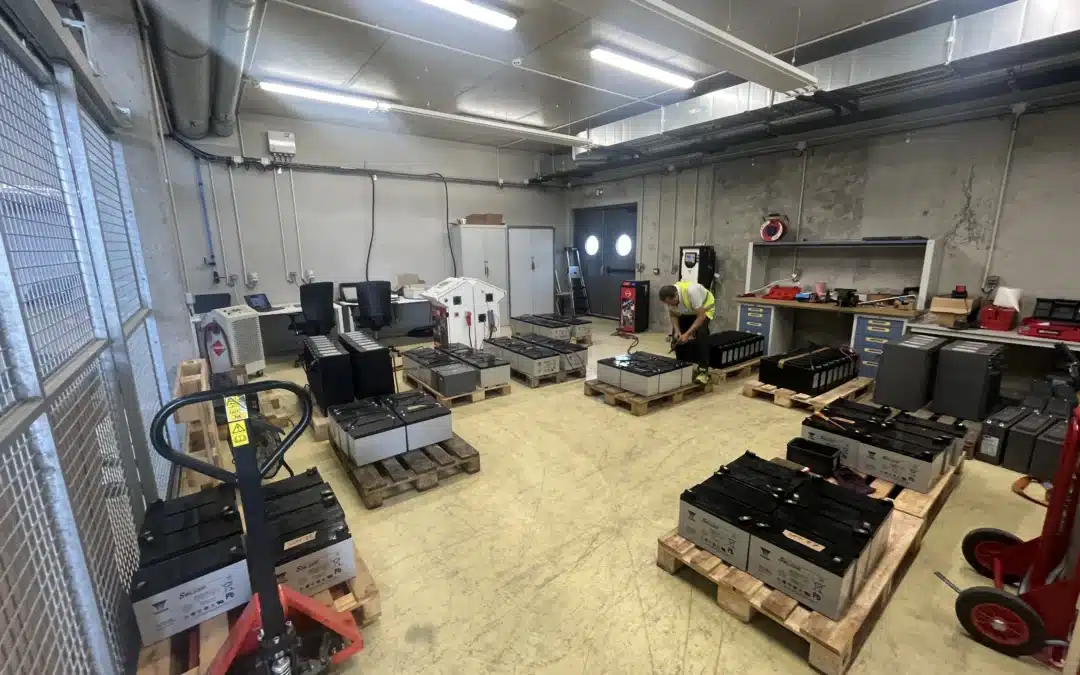
Deployment of the PTS 800 secure workstation

The PTS 800 will enable future technicians to work on lithium-ion batteries in a safe environment.
As part of the FASEP Regen India program, a first secure workstation, the PTS 800, is currently being deployed at the Indian Institute of Technology.
The FASEP program aims to support the development of local technical skills in lithium-ion battery diagnostics, maintenance, and reconditioning. This collaborative project will notably allow students and researchers to work directly on electric scooter batteries in a controlled and safe environment.
The PTS 800 will be installed directly within the university to be made available to students and researchers. It has been designed to enable the handling and analysis of lithium-ion batteries while minimizing risks associated with maintenance operations. This secure environment is a key element of the program, ensuring that future industry professionals are trained under conditions aligned with the technical and safety requirements specific to lithium batteries.
Presented at the CES in Las Vegas last year, the PTS 800 will also serve as a foundation for developing reconditioning protocols adapted to local use cases and to the growing needs of the Indian market.
For this first phase, the project is primarily focused on electric scooter batteries, which are particularly widespread in India and at the heart of the country’s transition toward electric mobility.
A rapidly growing market
India is now one of the most dynamic markets in the world for electric mobility, particularly in the electric scooter and two-wheeler segment.
The “Battery As A Service” (BaaS) business model, widely adopted by local manufacturers, is accelerating this transformation. This system allows users to finance the battery over several years separately from the vehicle, thereby reducing the initial purchase cost.
In the long term, this evolution will generate significant needs in battery maintenance, diagnostics, and life extension. Reconditioning therefore emerges as a strategic issue from an economic, environmental, and industrial perspective.

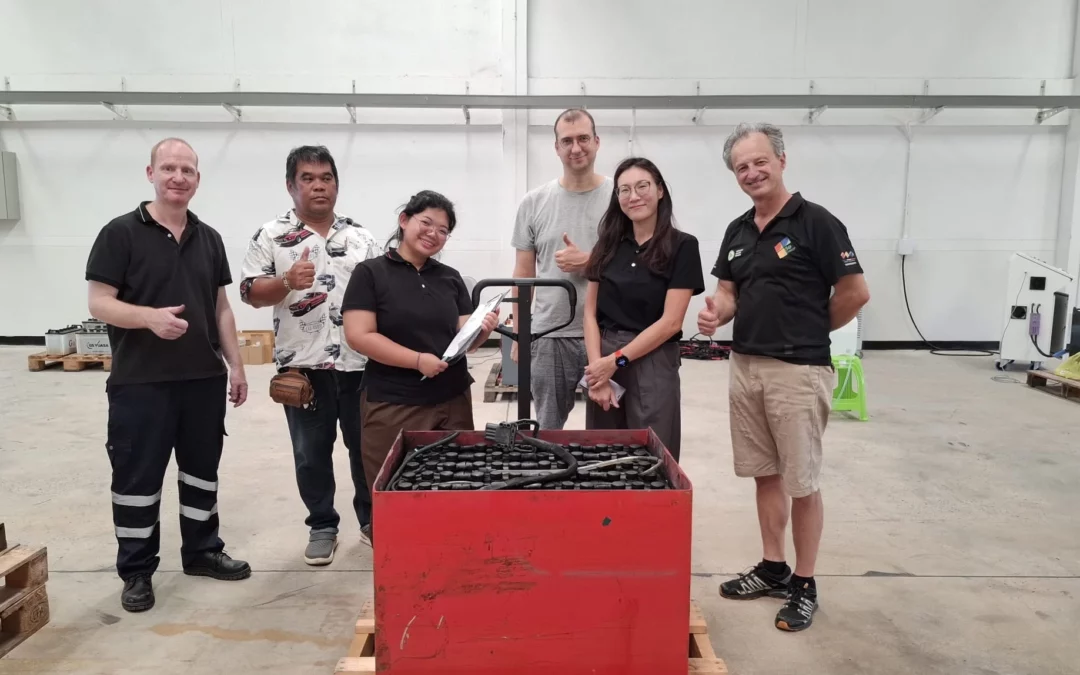
Students, researchers, and Be Energy teams have come together to shape the future of lithium-ion battery reconditioning in India.
Building a sustainable industry
With the FASEP Regen India program, Be Energy aims to actively contribute to the development of concrete and sustainable solutions for the circular economy of batteries.
Beyond technology, this project also seeks to support skills development around new professions related to lithium-ion battery maintenance and reconditioning.
This initiative fully reflects our vision: extending battery lifespan, reducing the environmental impact associated with their production, and supporting the global energy transition.

A project designed to extend battery life and support more sustainable mobility.
For further reading…
Why is the reconditioning of lithium-ion batteries becoming a strategic priority?
The rapid growth of electric vehicles, particularly scooters in India, is leading to a significant increase in the need for battery maintenance, repair, and lifespan extension.
What are the risks associated with lithium-ion batteries?
Lithium-ion batteries pose significant thermal and electrical risks (thermal runaway, short circuits, and fires), which necessitate strict protocols and safe working environments.
Why use a secure terminal like the PTS 800?
Handling lithium-ion batteries requires specialized equipment that enables work to be carried out safely while developing reliable and reproducible technical protocols.