This interview was an opportunity to discuss our approach and the challenges faced by companies using professional batteries: replacement costs, battery lifespan, waste management and environmental impact.
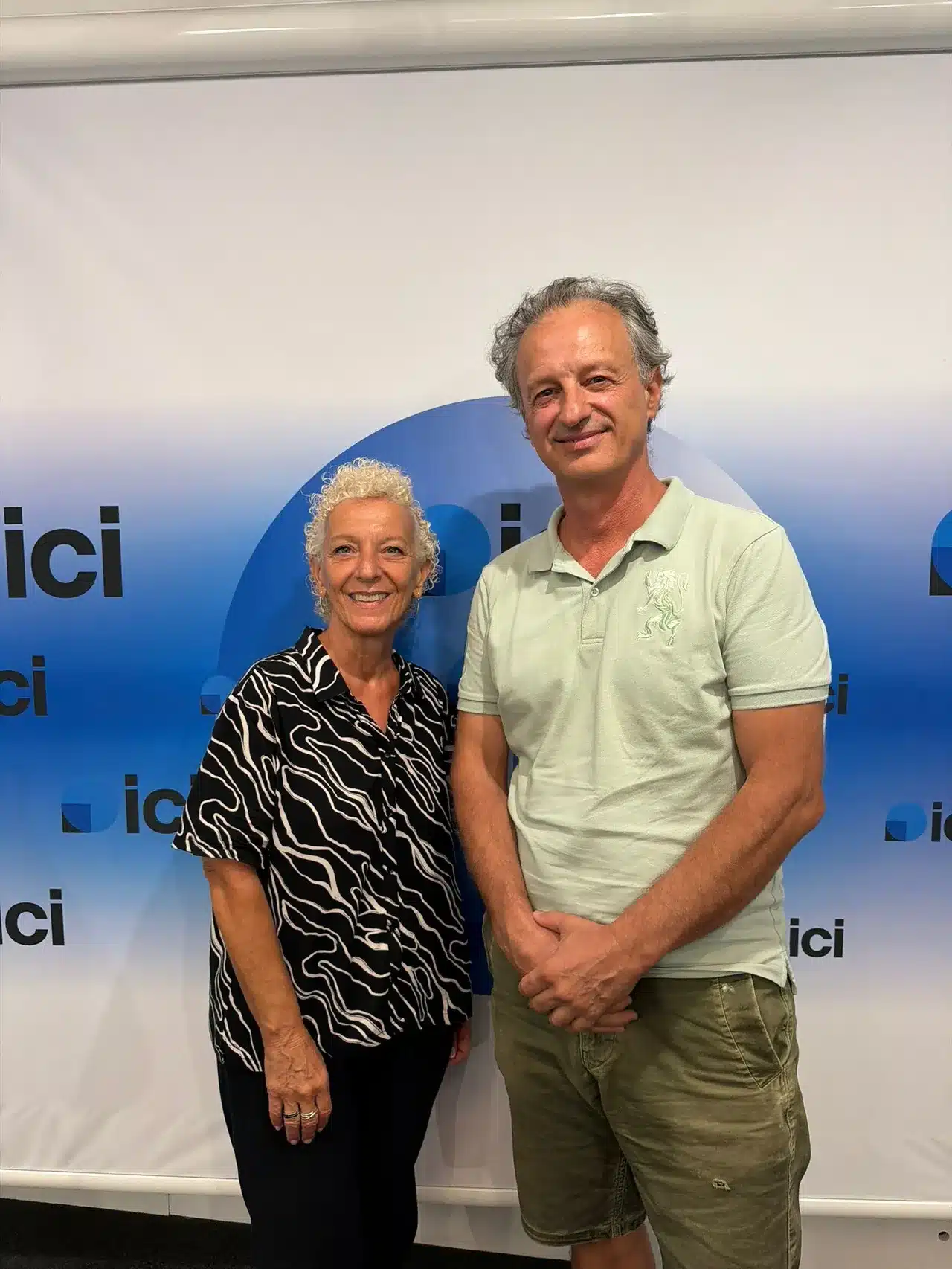
Battery regeneration, a key issue for a more circular economy.
Bertrand Coste, CEO of Be Energy, and Pascale Lorens, ICI Vaucluse radio host.
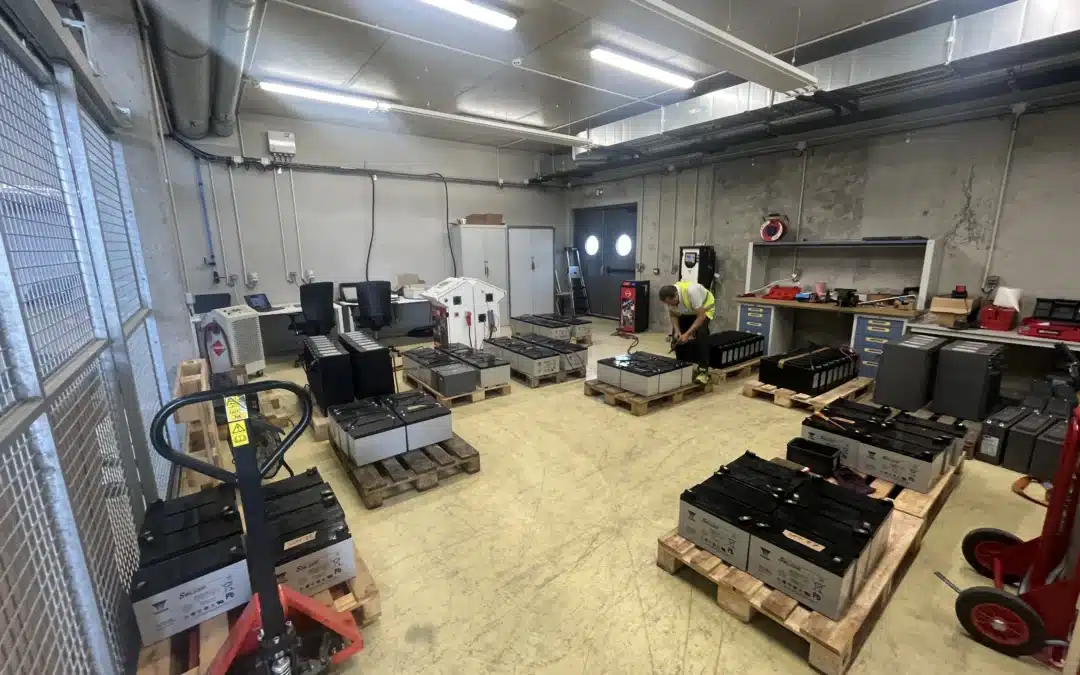
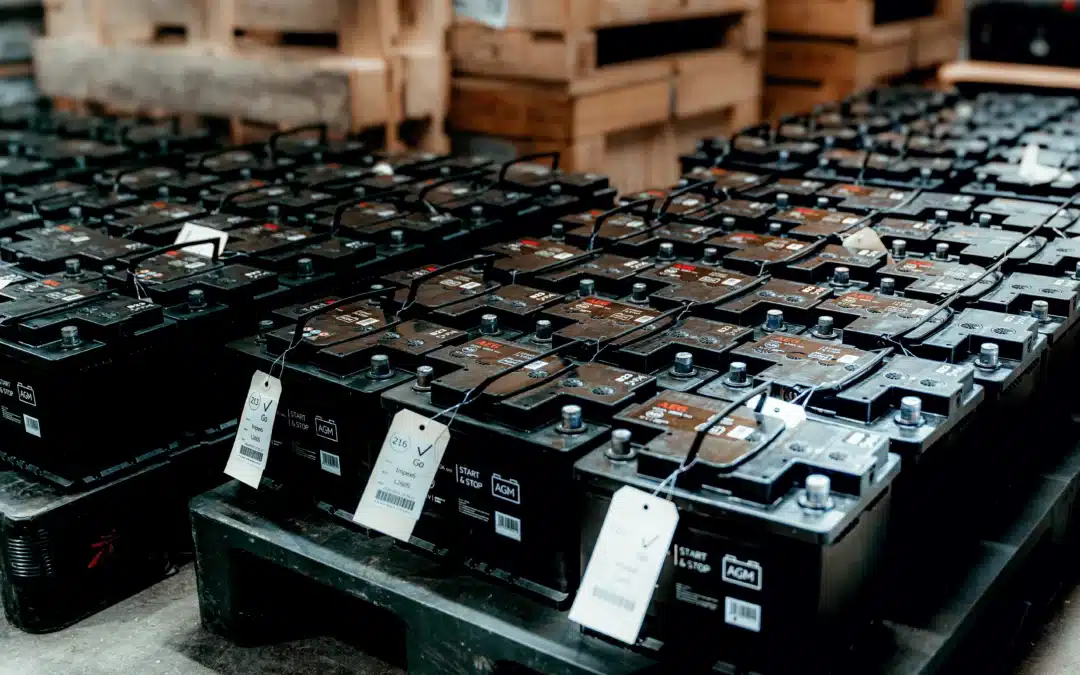
Identify batteries that can still be given a second life
When a battery’s performance declines, replacing it with a new battery is often seen as the obvious solution.
However, not all batteries have necessarily reached the end of their service life.
Our approach is to first assess their condition to determine which batteries can still be recovered. Depending on their technology and condition, different solutions can then be considered: regeneration or reconditioning.
This approach helps extend battery service life and reduce unnecessary replacement.
Giving batteries a second life instead of replacing them
Extending a battery’s service life helps reduce the resources required to manufacture a new battery and limit the amount of waste generated.
This is particularly relevant for companies operating large battery fleets, especially in logistics, material handling, telecommunications and defense.
Battery regeneration can also offer significant economic benefits. In the applications concerned, it can substantially reduce costs compared with replacing batteries with new ones.
An impact we can measure
The circular economy is not only about extending the service life of equipment. It is also essential to be able to measure the benefits generated.
We therefore monitor various indicators related to our operations: CO₂ emissions avoided, water saved, energy preserved, reduction in hazardous waste and reduced pressure on mining resources.
For example:
- 1 tonne of regenerated lead-acid batteries = 3 tonnes of CO₂ avoided
- 1 tonne of reconditioned lithium batteries = 12 tonnes of CO₂ avoided
- 1 tonne of regenerated NiMH batteries = 13 tonnes of CO₂ avoided
These figures help us better measure the impact of an approach focused on extending battery life rather than replacing them.
Concrete savings for businesses
Whether a company operates a small number of batteries or manages several thousand pieces of equipment, the question remains the same: does a battery that is no longer performing at its optimal level really need to be replaced?
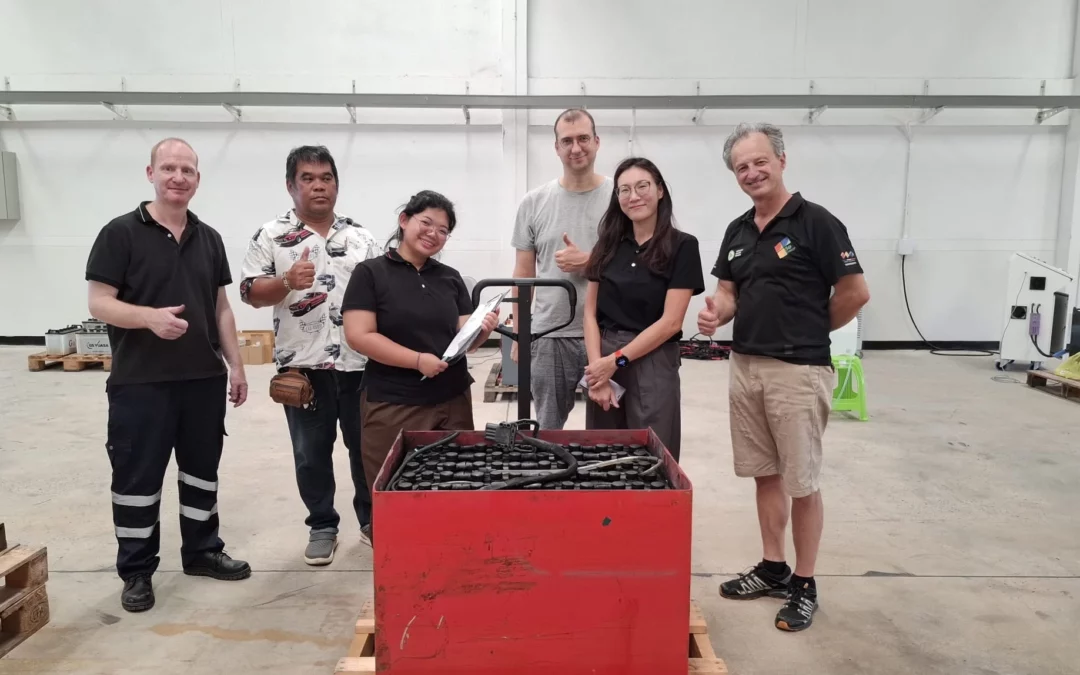
For large traction battery fleets, for example, replacement can quickly represent a significant investment.
Diagnostics make it possible to identify which batteries can be regenerated and which ones genuinely need to be replaced or directed toward another recovery solution.
This approach enables companies to better control costs, optimize their battery fleets and reduce their environmental impact.
Listen to our interview on ICI Vaucluse
Listen to our interview in French, broadcast during the ICI Vaucluse morning show.
An approach built for the long term
Battery regeneration is part of a broader shift in the way we consume and manage resources.
Before replacing, let’s diagnose.
Before discarding, let’s look for ways to reuse.
This is the approach we develop every day to help companies manage their batteries in a more sustainable and circular way.