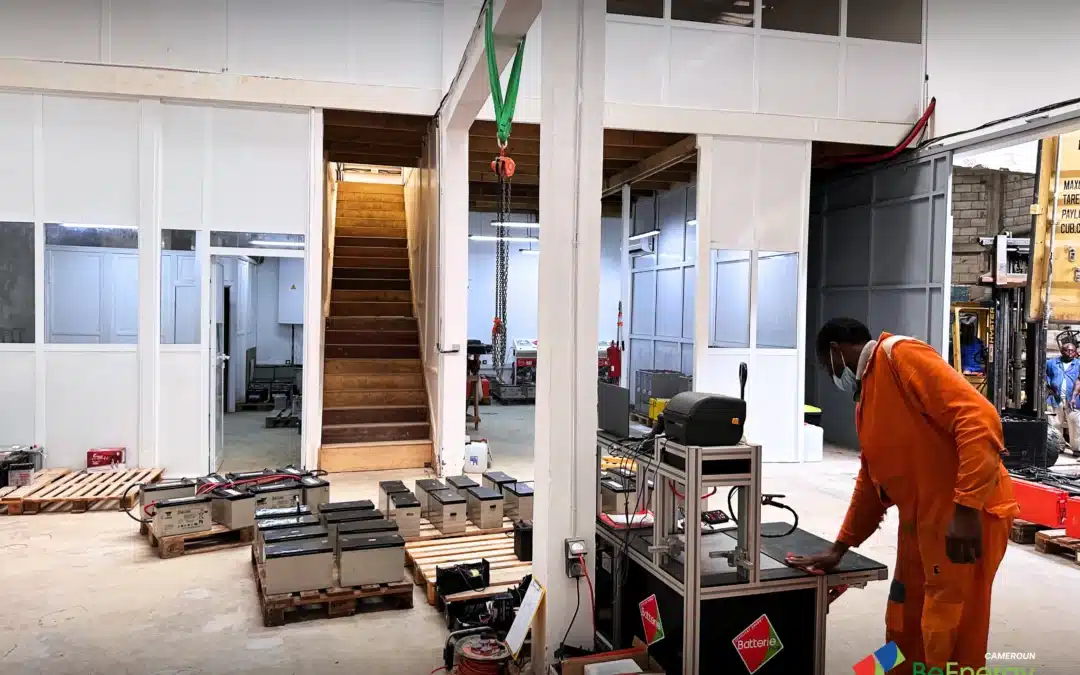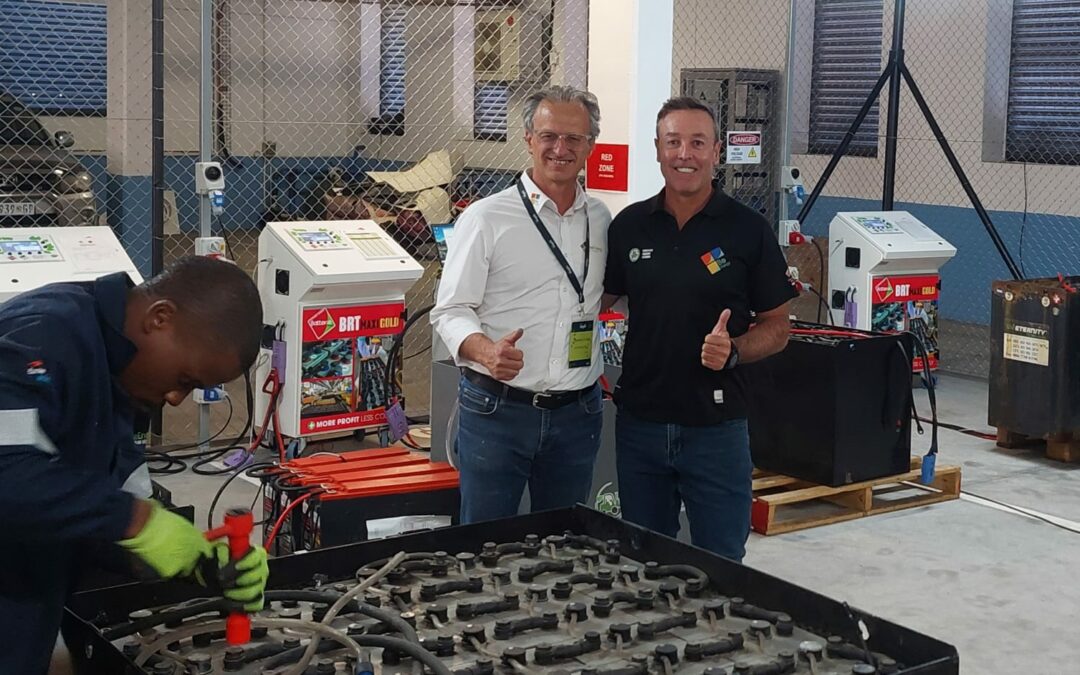
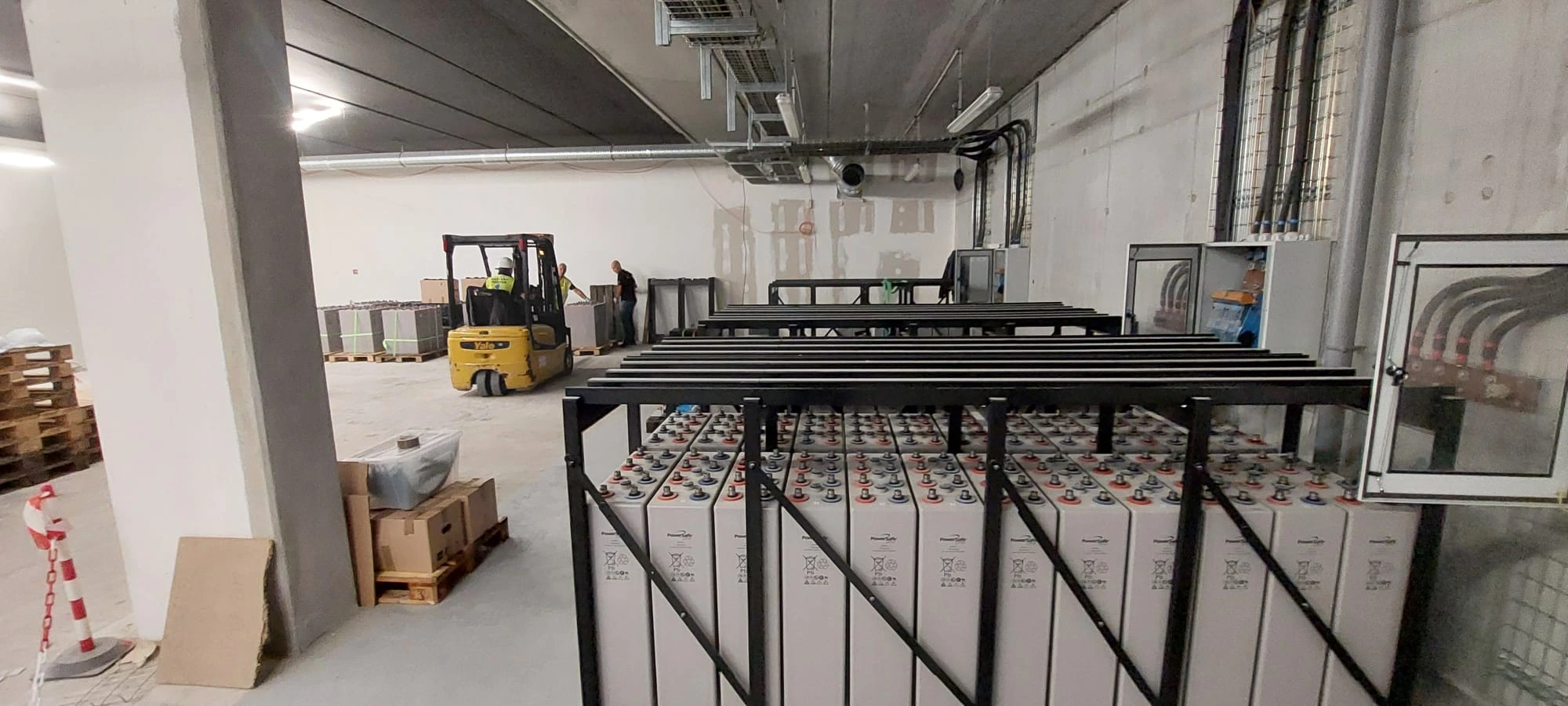
Stationary battery racks, ready to be dismantled and regenerated by our teams.
From telecom backup to sustainable energy: the second life of stationary batteries
The reuse of stationary batteries is now a concrete industrial solution for extending the life of energy infrastructure. In March 2026, Be Energy reached a new milestone by recovering 23 tons of batteries from the SFR site in Bordeaux Lac.
In line with the circular economy, our teams carried out a large-scale operation: dismantling and recycling industrial batteries formerly used to secure telecommunications networks. This equipment, transported to our regeneration center in Avignon, is now ready to enter new cycles of use.
Dismantling telecom batteries: a technical and logistical challenge

Stationary batteries, packaged and secured, ready for transport.
Stationary batteries installed in telecom infrastructures are designed to ensure uninterrupted power supply in the event of a blackout. They play a crucial role in the security and stability of communication networks.
At the SFR site, the Be Energy teams carried out the complete dismantling of four packs of stationary batteries, totaling 96 high-capacity industrial cells.
Each cell, weighing approximately 240 kg, required a specific technical intervention to ensure proper handling, securing, and transport to the regeneration center.
With nearly 23 tons of stationary batteries recovered, this operation highlights the logistical and industrial challenges associated with the reuse of telecom batteries.
From emergency power to solar energy storage
Once regenerated, these batteries change their use. Initially designed for backup power (on standby), they become active solar energy storage solutions.
In fact, one of these packs will be reused directly at the Be Energy site to power a self-consumption installation. This transition from “backup” to “everyday use” demonstrates the relevance of reusing stationary batteries to optimize already extracted resources.

Repurposed for a new use, these stationary batteries are transitioning from serving as emergency backup power to harnessing solar energy through energy storage.
Prospects for reuse in future off-grid projects in Africa
After passing through the Be Energy regeneration center in Avignon, these stationary batteries can be directed towards various energy reuse projects.
Among the options being explored are applications related to telecom infrastructures in West Africa. These installations often require reliable energy storage solutions to secure the power supply of the equipment.
In Senegal, several players in the telecom sector are already interested in these solutions, notably Sonatel, a subsidiary of the Orange group, where the need for energy storage for technical infrastructures and isolated sites is particularly important.
Beyond these telecom applications, other reuse opportunities are also being considered, notably for off-grid projects in Cameroon, in collaboration with the local Be Energy teams.
In such configurations, reconditioned stationary batteries can play a key role in:
-
solar energy storage
-
powering isolated sites
-
off-grid telecom infrastructures
-
local microgrids
The reuse of stationary batteries thus allows equipment initially designed for infrastructure power backup to be transformed into energy solutions for new contexts.

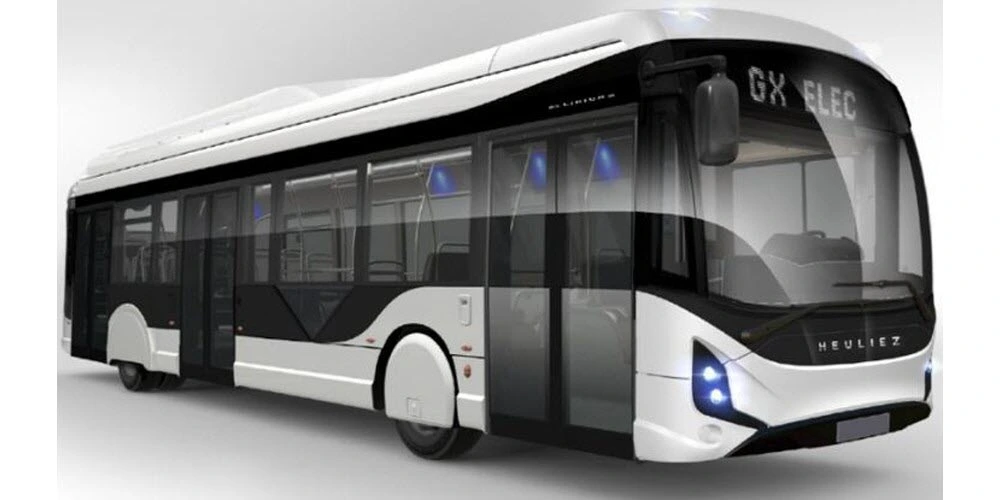
An example of reuse: these batteries could be used on telecommunications towers to ensure business continuity.
Reuse of stationary batteries: a lever for the circular economy
The reuse of stationary batteries provides a sustainable alternative to the immediate recycling of industrial equipment.
Designed to operate in critical infrastructures, these batteries often retain significant energy capacity after their first use. Reconditioning therefore allows their lifespan to be extended and resource utilization optimized.
This approach offers several advantages:
-
extending the lifespan of industrial batteries
-
reducing waste and environmental impact
-
promoting the circular economy
-
facilitating the deployment of energy storage solutions
Thanks to the reuse of stationary batteries, equipment initially used in telecom infrastructures can now find a second life in sustainable energy projects.
From Bordeaux to Avignon, the Be Energy teams may have changed the scenery… but certainly not their mission: giving batteries a second life.
To go further…
What is stationary battery reuse?
The reuse of stationary batteries involves recovering industrial batteries used in infrastructure such as telecoms or data centers in order to recondition them and use them for other energy applications.
Can telecom batteries be used for solar power?
Yes. Stationary batteries from telecom infrastructure can be reconditioned for solar energy storage, particularly in self-consumption installations or off-grid systems.
What is the lifespan of an industrial stationary battery?
A stationary battery can operate for several years in its initial use. Through reconditioning and reuse, its service life can be extended in new energy applications.